Das erste Anticafé der Schweiz in Fribourg
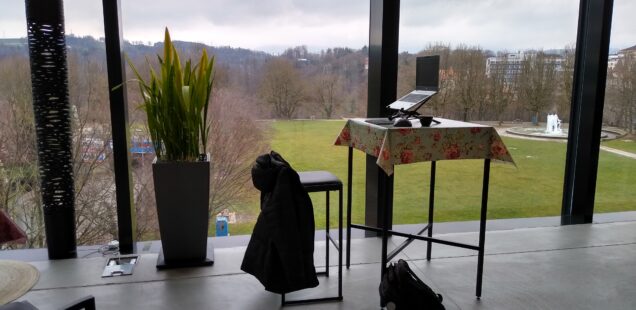
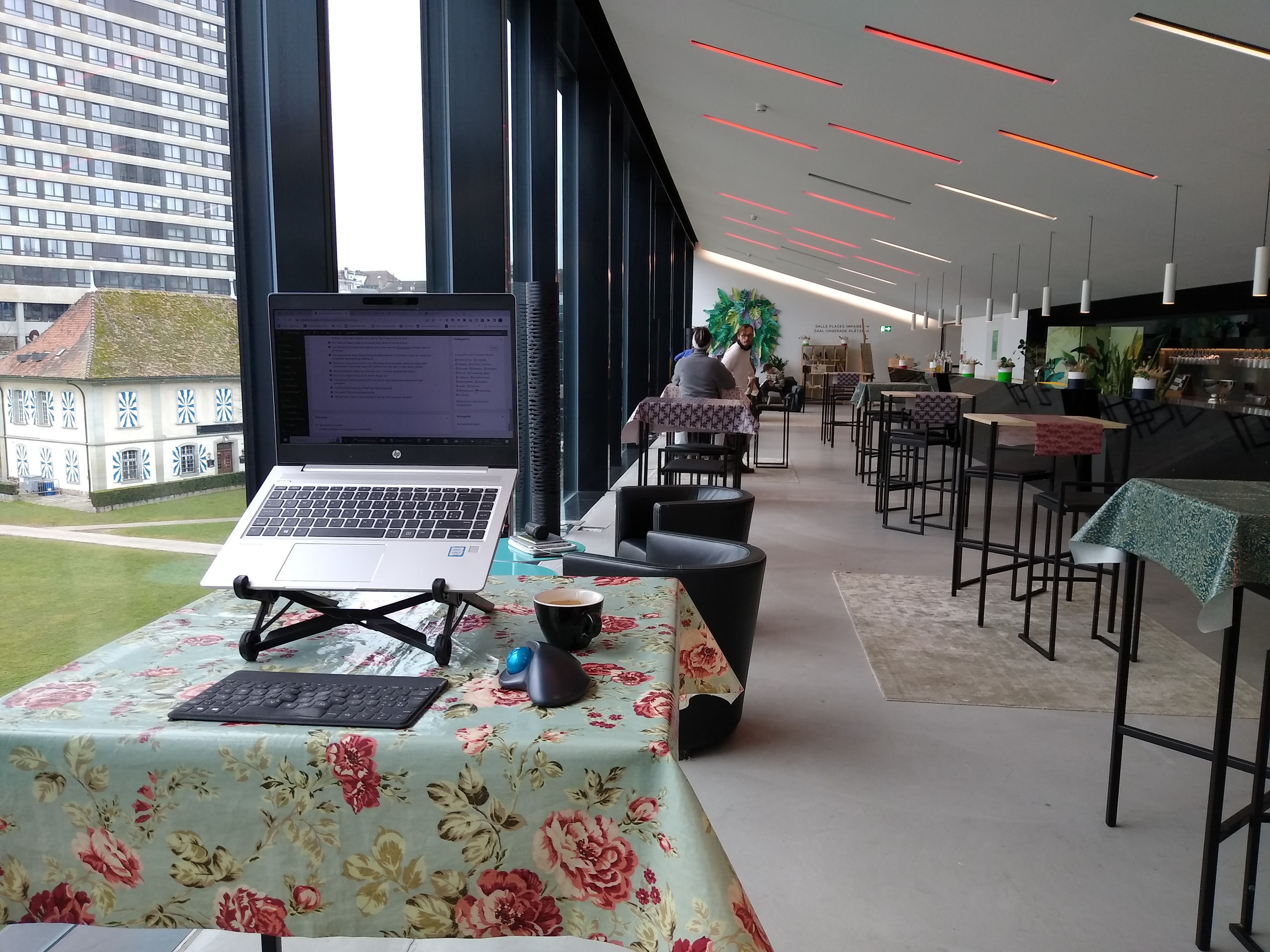
Heute bin ich mal wieder in Fribourg unterwegs, ich wollte schon lange mal ins Point de Vue, ins erste Anticafé der Schweiz.
Zeitpreis
Der Le Point Commun ist ein besonderes Konzept, das es bisher in der Schweiz noch nicht gibt. Im dritten Stock des Cafés kann man gegen einen Zeitpreis Zugang erwerben und unbegrenzt Getränke sowie WLAN nutzen. Eine Stunde kostet 5 CHF, für 10 CHF kann man den ganzen Tag bleiben.
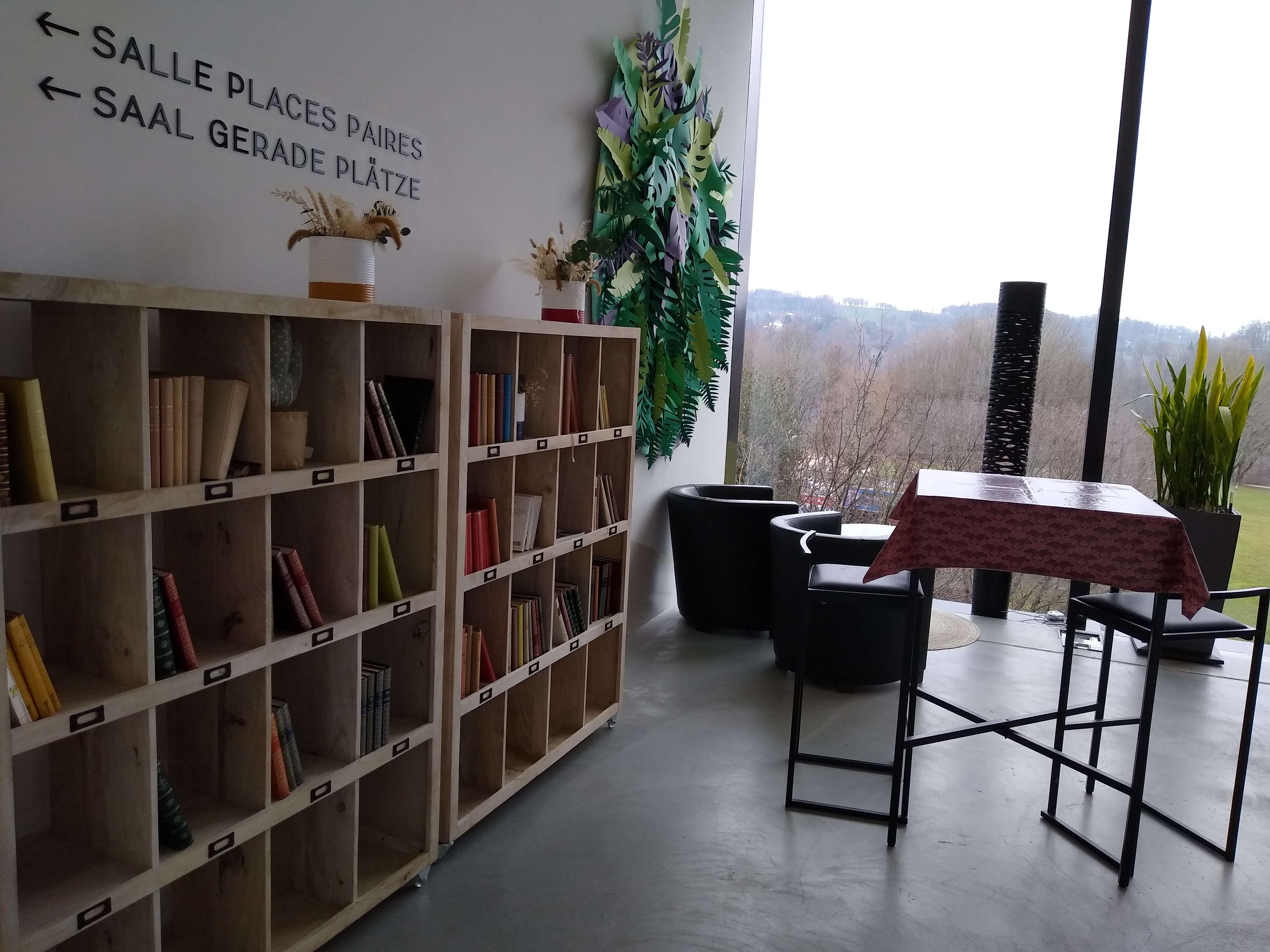
Das Konzept des Le Point de Vue entstand aus einer Idee von zwei Geschäftspartnern, die eine Alternative für Kunden schaffen wollten, die üblicherweise in Cafés arbeiten und dabei oft hohe Rechnungen bekommen, weil sie regelmäßig neu bestellen müssen. Der Raum ist eine Mischung aus Coworking-Space, Cafeteria, Konferenzraum und eigenem Wohnzimmer. Man kann hier arbeiten, lesen, mit Freunden plaudern, die Mittagspause verbringen oder sogar ein Nickerchen machen.
Anticafé
Anticafés sind ein Konzept, das ursprünglich aus Russland stammt und später auch in Frankreich verbreitet wurde. Anticafés sind Orte, an denen Kunden nicht nur Getränke und Snacks kaufen können, sondern auch einen gemütlichen Raum nutzen können, in dem sie arbeiten, lesen, Freunde treffen oder sich entspannen können. Die Kunden bezahlen hierbei nicht für ihre Bestellungen, sondern für die Zeit, die sie im Anticafé verbringen.
Um die Machbarkeit und das Potenzial dieses Konzepts zu erfassen, hat das Team des Le Point Commun eine Marktanalyse durch eine Gruppe von Schülern der Ecole Hôtelière de Lausanne durchführen lassen.
Das Le Point Commun ist montags bis freitags von 08:00 bis 17:00 Uhr geöffnet.
A Crash Course on Remote Transformation by Iwo Szapar
Das Video „A Crash Course on Remote Transformation by Iwo Szapar“ ist gerade veröffentlicht worden, ich habe versucht mit ChatGPT eine Zusammenfassung zu machen. Zuerst habe ich die Subtitles exportiert mit Downsub und dann in 4 Portionen zusammenfassen lassen. Dazu sollte GPT noch Titel generieren, das ist das Resultat.
Gute Zusammenfassung von Workmotion
Artikel von Workmotion: 10 awesome remote work rituals you should implement in 2023
1. Companies need remote-first principles to be successful
2. The five levels of remote work Nirvana
3. Remote-first vs remote-ish
4. Qualities of a good remote-first leader
5. Radical transparency
6. Sync vs async communication
7. Moving from sync to async communication
8. Remote-first meeting rituals
9. Enabling deep work
10. Creating a remote-first culture
The Future of Work: Embracing Remote Work and Its Challenges
As the CEO of remote how and the Remote First Institute, Ivo Szapar has a unique perspective on the future of work and how companies can successfully make the transition to remote work. In a recent speech, he provided a crash course on remote rituals and the challenges companies face in this new world of work.
Challenges of Remote Work
Remote work has many challenges, including lack of employee engagement, burnout, cultural issues, and difficulty in team management. Companies that do not fully embrace remote work are missing out on its many benefits, such as increased flexibility and reduced costs. Leaders play a crucial role in making remote work successful and must be better leaders, trust their employees, communicate clearly, and empower their employees. The key traits of a successful remote leader include trust, communication, flexibility, clarity, structure, and compassion.
Asynchronous Communication: Moving Beyond Synchronous Communication
The transition from synchronous to asynchronous communication can be challenging for organizations. However, the speaker suggests that by defining rules and expectations, promoting transparency through communication channels, helping employees write well-thought-out messages, experimenting with asynchronous video, and using the check-in and checkout method for updates, companies can effectively make this transition. The speaker also emphasizes the importance of limiting meetings, as many employees feel like they attend unnecessary meetings.
Productivity in Remote Work
The speaker discusses the importance of focusing on deep work, planning your day effectively, and saying no to interruptions. To increase productivity, companies should audit their current setup, educate their employees, and create a living Playbook that defines how they expect their employees to work. This Playbook should include clear rules, unifying processes, and information on using tools like Slack. The focus should be on achieving outcomes, not just the time invested.
Changing Company Culture and Better Human Behavior
The speaker discussed a plan for the week that involves full asynchronous work and how to create better connections with others. Companies should focus on changing their company culture to encourage better human behavior and honesty. Remote work offers employees the freedom to adjust their schedules and find what works best for them, but it is important for companies to invest time and resources in creating engagement plans. To avoid feelings of loneliness, employees can work from different locations, attend events, network, and be creative. Although remote companies tend to hire introverts, pre-pandemic reports showed that there were challenges with loneliness.
In conclusion, remote work presents many challenges and opportunities, but with the right leadership, communication, and company culture, it can be successful. By embracing remote work and its challenges, companies can reap the benefits and transform for the future of work.



Hallo Lorenz, das ist ein super Tipp!
Ich wohne nahe der Stadt Freiburg und werde das sicher einmal ausprobieren.